

Feds Disrupt IoT Botnets | Ultimate Defense and Mitigation Guide
The year 2026 has marked a pivotal era in the history of cybersecurity. As the number of connected devices globally has surpassed 30 billion, the vulnerability of the “smart” world has...


The year 2026 has marked a pivotal era in the history of cybersecurity. As the number of connected devices globally has surpassed 30 billion, the vulnerability of the “smart” world has never been more apparent. However, law enforcement hasn’t been sitting idly by. In a series of high-stakes operations, we have seen a headline that brings relief to the tech community: Feds disrupt IoT botnets that were previously thought to be untouchable.
Table Of Content
- Evolution of the Threat: Why 2026 is Different
- Behind the Scenes: How Feds Disrupt IoT Botnets
- Is Your Home a “Zombie”? Signs of IoT Device Hacking
- Strategic Defense: Tools and Tactics for 2026
- 1. Advanced Perimeter Protection
- 2. The Role of VPNs in IoT Security
- 3. Credential Hygiene
- Comparing the Giants: Security in the Age of Botnets
- Recovery: What to Do If the Feds Miss Your Device
- The Future of Digital Privacy
- FAQ: Understanding Federal Botnet Disruptions
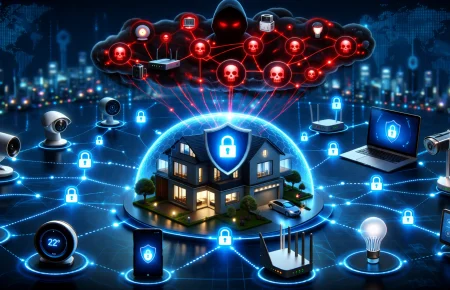
These botnets, composed of millions of compromised routers, smart cameras, and even household appliances, have been used to launch devastating DDoS attacks and mask state-sponsored espionage. Today, we dive deep into how these federal operations work, the anatomy of an infection, and the proactive steps you must take to ensure your home isn’t a pawn in a global cyberwar.
Evolution of the Threat: Why 2026 is Different
In previous years, botnets like Mirai were relatively simple. In 2026, however, botnets have integrated AI-driven self-healing protocols. If one node is taken down, the network automatically reroutes its command structure. This is why the news that the Feds disrupt IoT botnets is so significant; it indicates a massive leap in law enforcement’s technical capabilities.
Government agencies are no longer just playing “whack-a-mole.” They are using sophisticated judicial tools to intervene at the ISP level, cleaning up infected traffic before it even reaches the open web. This proactive stance is essential as botnets are now being used not just for disruption, but for high-volume credential stuffing and financial fraud.
Behind the Scenes: How Feds Disrupt IoT Botnets
The process of dismantling a global botnet is a pincer movement involving legal and technical mastery. When the Feds disrupt IoT botnets, the operation typically follows this elite protocol:
- Infrastructure Seizure: Federal agents seize the “Command and Control” (C2) servers, which are the brains of the botnet. Without these servers, the infected devices have no “general” to lead them.
- Sinkholing Domains: By working with domain registrars, the FBI redirects malicious traffic to secure servers controlled by cybersecurity professionals to analyze the scope of the infection.
- ISP Collaboration: In 2026, the Feds work closely with internet providers to identify infected IPs and notify users through their service bills or specialized alerts.
- Cross-Border Cooperation: Many operations involve “Joint Task Forces” where the DOJ works with Interpol and private firms to hit the attackers’ physical locations simultaneously across continents.
Is Your Home a “Zombie”? Signs of IoT Device Hacking
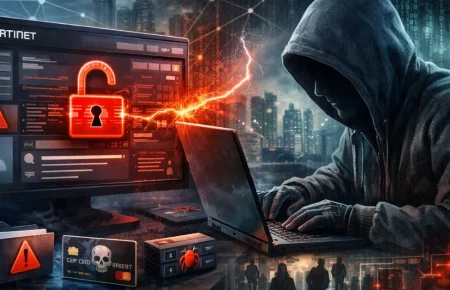
Federal intervention is the macro solution, but micro-security starts with you. Many users don’t realize their device is part of a botnet until it’s too late. Identifying the signs of IoT device hacking is the first step toward reclaiming your bandwidth and privacy.
“A hacked device rarely ‘looks’ hacked. It simply performs its silent duty for the attacker while you sleep.”
Look for subtle clues: unexplained data usage spikes in your router logs, your smart speaker activating without its wake word, or your Wi-Fi router feeling physically hot to the touch even when you aren’t using the internet. These are classic symptoms of a device being “overclocked” by botnet malware.
Strategic Defense: Tools and Tactics for 2026
To stay invisible to the automated scanners that build these botnets, you need a layered defense strategy. It’s no longer about having a single antivirus; it’s about securing the entire network ecosystem.
1. Advanced Perimeter Protection
Using the best cybersecurity tools for personal protection allows you to see what your devices are doing behind your back. Modern 2026 firewalls can detect “heartbeat” signals sent by botnets to their C2 servers and block them instantly.
2. The Role of VPNs in IoT Security
A high-speed VPN in 2026 is your best defense against “Man-in-the-Middle” attacks. By encrypting your entire network at the router level, you hide the unique signatures of your IoT devices, making them much harder for hackers to fingerprint and exploit.
3. Credential Hygiene
Most botnet infections occur because of weak or default passwords. Utilizing password managers for families ensures that every camera, bulb, and smart lock has a 16-character randomized password that no bot can guess.
Comparing the Giants: Security in the Age of Botnets
| Defense Layer | Recommended Action | Resources |
|---|---|---|
| VPN Protection | Router-level encryption | VPN Comparison |
| Hardware Choice | Subscription-free, secure cams | Top Rated Cameras |
| Incident Response | Immediate cleanup protocols | Emergency Checklist |
Recovery: What to Do If the Feds Miss Your Device
Even when the Feds disrupt IoT botnets, fragments of the malware may remain in the wild. If your network has been compromised, follow these steps immediately:
- Hard Reset: Perform a factory reset on your router and all smart devices to wipe volatile memory.
- Scan for Spyware: Use a manual tool guide to remove spyware from any mobile devices connected to the network.
- Update Firmware: Manufacturers often release patches after a federal takedown to close the holes the Feds exploited.
The Future of Digital Privacy
The battle between law enforcement and botnet operators is an arms race. While we celebrate that the Feds disrupt IoT botnets, we must also prepare for the “Version 2.0” of these threats. According to the yearly summary of 2026 data breaches, the most common entry point is still human error.
Staying ahead means staying informed. Use a live security incident tracker to monitor active threats in your region and read the ultimate guide to digital privacy in 2026 to lock down your online identity.
FAQ: Understanding Federal Botnet Disruptions
Q: Does “disrupting a botnet” mean my device is automatically fixed?
A: Not necessarily. The Feds usually disable the “brain” of the botnet, but the malware might still be on your device. You should still change your passwords and update your firmware.
Q: Why do Feds focus on IoT specifically?
A: Because IoT devices are “always on” and often have weak security, making them the perfect platform for launching massive attacks that can cripple a country’s infrastructure.
Q: Is it legal for the Feds to access my router to remove malware?
A: In 2026, many of these operations are performed under specific judicial warrants that allow “remote remediation.” This is done to protect the broader internet, but it usually involves minimal interaction with your personal data.


No Comment! Be the first one.