

Ultimate Guide to Traffic Violation Scams Switch | Protecting Yourself from Cyber Threats
Traffic violation scams switch is a type of cyber threat that has been on the rise in recent years. It involves scammers sending fake traffic violation notices to individuals, claiming that they have...

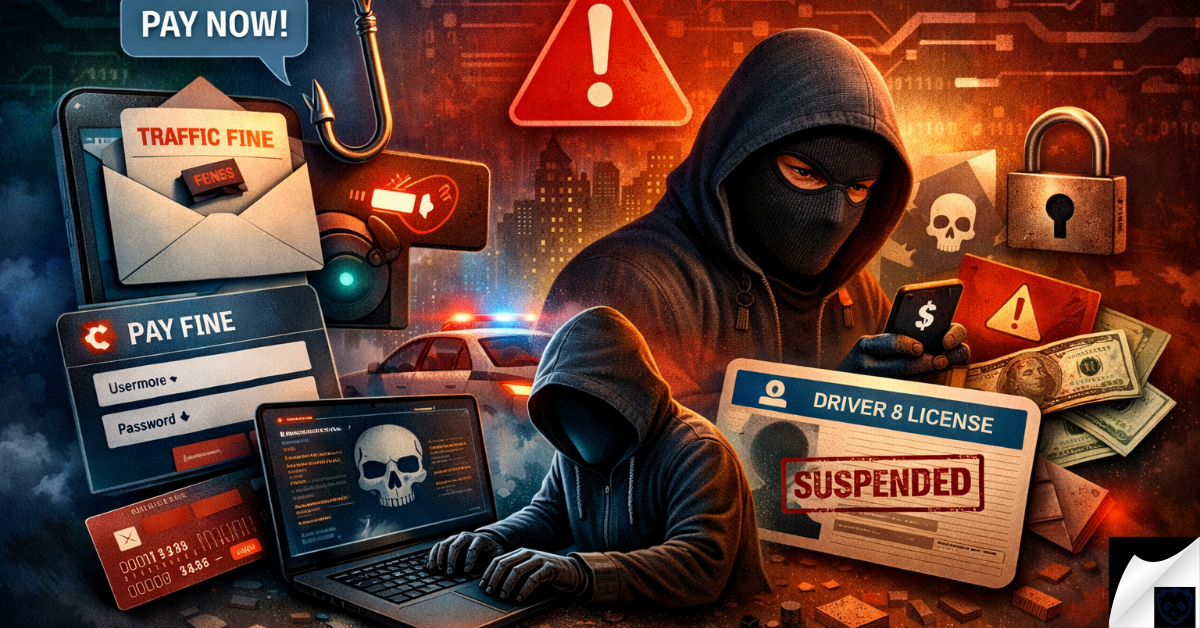
Traffic violation scams switch is a type of cyber threat that has been on the rise in recent years. It involves scammers sending fake traffic violation notices to individuals, claiming that they have committed a traffic offense and must pay a fine. The scammers use various tactics to trick victims into paying the fine, including threatening to suspend their driver’s license or impose additional penalties.
Table Of Content
- History of Traffic Violation Scams Switch
- Technical Aspects of Traffic Violation Scams Switch
- Real-World Case Studies
- Mitigation Strategies
- Conclusion
- FAQ
- What is traffic violation scams switch?
- How can I protect myself from traffic violation scams switch?
- What are the signs that I have fallen victim to traffic violation scams switch?
- How can I report traffic violation scams switch?
- What are the consequences of falling victim to traffic violation scams switch?
The traffic violation scams switch is a sophisticated scam that uses social engineering tactics to manipulate victims into divulging sensitive information or paying the fake fine. In this guide, we will delve into the history of traffic violation scams switch, its technical aspects, and provide real-world case studies to illustrate the severity of this cyber threat.
History of Traffic Violation Scams Switch
The traffic violation scams switch has its roots in traditional phishing scams. However, with the advancement of technology and the increasing use of online services, scammers have evolved their tactics to target individuals through fake traffic violation notices. The scam has been reported in various countries, with the first cases emerging in the early 2010s.
Initially, the scam involved scammers sending fake traffic violation notices via email or post. However, as technology advanced, scammers began to use more sophisticated methods, including SMS and social media messages. The scam has become more prevalent in recent years, with many individuals falling victim to the fake traffic violation notices.
Technical Aspects of Traffic Violation Scams Switch
The traffic violation scams switch involves a range of technical aspects, including social engineering, phishing, and malware. Scammers use various tactics to trick victims into divulging sensitive information or paying the fake fine. Some of the common technical aspects of the scam include:
- Phishing emails or messages: Scammers send fake traffic violation notices via email or SMS, claiming that the individual has committed a traffic offense and must pay a fine.
- Malware: Scammers use malware to infect the victim’s device, allowing them to steal sensitive information or take control of the device.
- Social engineering: Scammers use social engineering tactics to manipulate victims into divulging sensitive information or paying the fake fine.
Scammers also use various tools and techniques to make the fake traffic violation notices appear legitimate. These include using official-looking logos and templates, as well as creating fake websites that mimic the official website of the traffic authority.
Real-World Case Studies
There have been several reported cases of traffic violation scams switch in recent years. One notable case involved a victim who received a fake traffic violation notice via email, claiming that they had committed a traffic offense and must pay a fine of $500. The victim was instructed to click on a link to pay the fine, which led to a fake website that stole their credit card information.
Determining if you have been hacked often requires looking under the hood of your operating system to spot anomalies that your antivirus might have missed. If you are an Apple user, macOS provides powerful built-in tools to hunt down unauthorized software. Learn how to actively identify and terminate malicious background processes with our guide: Check Malware Activity Monitor Mac | 5 Quick Steps to Stop Threats.
Another case involved a victim who received a fake traffic violation notice via SMS, claiming that they had committed a traffic offense and must pay a fine of $200. The victim was instructed to reply to the SMS with their credit card information, which was then used to make unauthorized transactions.
These case studies illustrate the severity of the traffic violation scams switch and the importance of being vigilant when receiving unsolicited messages or emails.
Mitigation Strategies
To protect yourself from traffic violation scams switch, it is essential to be aware of the tactics used by scammers and to take steps to mitigate the risk. Some of the mitigation strategies include:
- Verify the authenticity of the notice: Always verify the authenticity of the traffic violation notice by contacting the traffic authority directly.
- Be cautious of unsolicited messages or emails: Be cautious of unsolicited messages or emails that claim you have committed a traffic offense and must pay a fine.
- Use antivirus software: Use antivirus software to protect your device from malware and other cyber threats.
- Use a VPN: Use a VPN to protect your online activity and prevent scammers from intercepting your sensitive information. You can check out our review of the best VPN services in 2026 to find the one that suits your needs.
- Use a password manager: Use a password manager to protect your online accounts and prevent scammers from accessing your sensitive information. You can check out our review of the best password managers for families to find the one that suits your needs.
Additionally, it is essential to be aware of the signs that your smart home has been hacked, as scammers may use your smart home devices to gain access to your sensitive information. You can check out our guide on signs your smart home has been hacked to learn more.
Conclusion
In conclusion, traffic violation scams switch is a sophisticated cyber threat that can have serious consequences for individuals. It is essential to be aware of the tactics used by scammers and to take steps to mitigate the risk. By verifying the authenticity of the notice, being cautious of unsolicited messages or emails, using antivirus software, using a VPN, and using a password manager, you can protect yourself from traffic violation scams switch.
Remember, cybersecurity is an ongoing process that requires constant vigilance and awareness. By staying informed and taking the necessary precautions, you can protect yourself from cyber threats and keep your sensitive information safe. You can also check out our guide on how to protect your digital privacy in 2026 to learn more about how to stay safe online.
FAQ
What is traffic violation scams switch?
Traffic violation scams switch is a type of cyber threat that involves scammers sending fake traffic violation notices to individuals, claiming that they have committed a traffic offense and must pay a fine.
How can I protect myself from traffic violation scams switch?
To protect yourself from traffic violation scams switch, it is essential to verify the authenticity of the notice, be cautious of unsolicited messages or emails, use antivirus software, use a VPN, and use a password manager.
What are the signs that I have fallen victim to traffic violation scams switch?
The signs that you have fallen victim to traffic violation scams switch include receiving unsolicited messages or emails claiming that you have committed a traffic offense, being asked to pay a fine via a link or reply to a SMS, and experiencing unauthorized transactions on your credit card or bank account.
How can I report traffic violation scams switch?
You can report traffic violation scams switch to the relevant authorities, such as the traffic authority or the police. You can also report the scam to the Federal Trade Commission (FTC) or the Internet Crime Complaint Center (IC3).
What are the consequences of falling victim to traffic violation scams switch?
The consequences of falling victim to traffic violation scams switch can include financial loss, identity theft, and damage to your credit score. It is essential to take immediate action if you suspect that you have fallen victim to the scam.



No Comment! Be the first one.